

Botanical description
Acai is a palm that grows wild in the Amazon rainforests. It is found particularly in the flooded areas of the Amazon basin. The palm grows slowly. It produces several stems, each up to 20 meters high. At maturity, the slender trunks are grey and have a diameter of 7 to 20 centimetres. The palm’s roots are visible, forming a skirt at the base of the stems.
Latin name
Euterpe oleracea
Common names
Creole: Wassaï, wasey
Other: Acai (acai berries)
Traditional uses
Although the acai berry has been consumed as a food by Amazonian natives since pre-Columbian times, claims for its medicinal uses are relatively recent and not necessarily part of a well-documented herbal tradition. It is mainly attributed with antioxidant, anti-inflammatory and tonic properties. Fruit: Wassai is an excellent edible fruit, used to make a tasty purplish-colored drink with energizing properties. Seeds: Dried, roasted and crushed seeds are taken as a decoction to treat asthma and diabetes.
Vitamins, nutrients & minerals
Anthocyanins
Polyphenols
Vitamins E, A, B1, B2 and B3
Omega 3, 6

Cosmetics
In cosmetics, wassai is used for its antioxidant and regenerative properties. Its extracts can be incorporated into skin care products for their ability to nourish and revitalize, helping to give a more radiant complexion and reduce the signs of skin aging.
Nutrition
In nutrition, wassai is a superb source of antioxidants, fiber and essential fatty acids. It is recognized for its heart-healthy benefits, digestive support and immune-boosting potential. Because of its nutritional density, it is often incorporated into diets to promote overall health.
Herbalism
In herbal medicine, wassai is renowned for its energizing and revitalizing effects. It is considered a natural tonic that can help combat fatigue and improve vitality. In addition, its anti-inflammatory properties can help relieve certain types of pain, making it a popular choice for boosting general well-being.
Discover our Wassaï-based products
Clear Filters
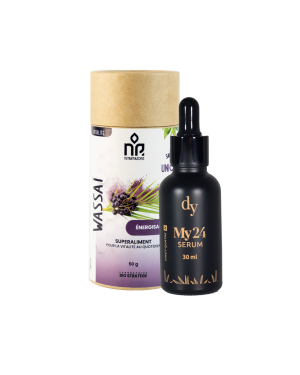
Out of stock


New
From: 61,80 € every 2 months for 12 months with 1 month free trial


New
48,00 €

New
19,00 €


New
19,90 €

