

Botanical description
Perennial rhizomatous herb growing up to 1 m tall. A close relative of ginger, it has long, simple, oblong leaves 30 to 50 cm long. Small white flowers, sometimes pale yellow, borne on erect spikes and surrounded by green, reddish or whitish bracts. The gnarled, light-brown rhizomes contain a highly aromatic, bright-orange pulp.
Latin name
Curcuma longa
Common names
Creole: titima (Guy.), tchitchima (Guy.),
safran kouli (Gua. Mar.), safran péyi (Gua. Mar.),
French: safran des Indes, curcuma
Portuguese: açafrão-da-india
Traditional uses
In French Guiana, to treat blows and sprains, the Creoles use it as a vulnerary: the rhizomes are crushed with venereum leaves (viniré,
Siparuna guianensis ), and carpenter herb (zèrb-charpantché,Justicia pectoralis), add salt and rum and use the mixture as a poultice. For wounds: mix the three plants, make a salty decoction and give it to drink three times a day with three drops of arnica tincture and sugar.
In the Lesser Antilles, while in Martinique turmeric is used as an antidiabetic, it is also used to treat
ictères in Haiti and to aid digestion in Cuba. In the Lesser Antilles, the plant is considered an antidote to mancenillium poisoning, and the rhizome is used as an aromatic, stimulant, carminative, astringent, analgesic, cholagogue and anti-rheumatic.
In Amazonia, the grated tuber yields a yellow dye for hammocks and net bags: the aromatic leaves are worn under the arms as perfume among the Sionas, where it is grown near houses.
More widely in Brazil, folk medicine uses it as an anti-hepatotoxic, anti-hyperlipidemic and anti-inflammatory agent.
Vitamins, nutrients & minerals
Curcuminoids (70% curcumin; 15-20% dimethoxycurcumin; 3-5% bisdimethoxycurcumin)
Terpenes
Alkaloids
Polyphenols
Lignans Trace elements

Cosmetics
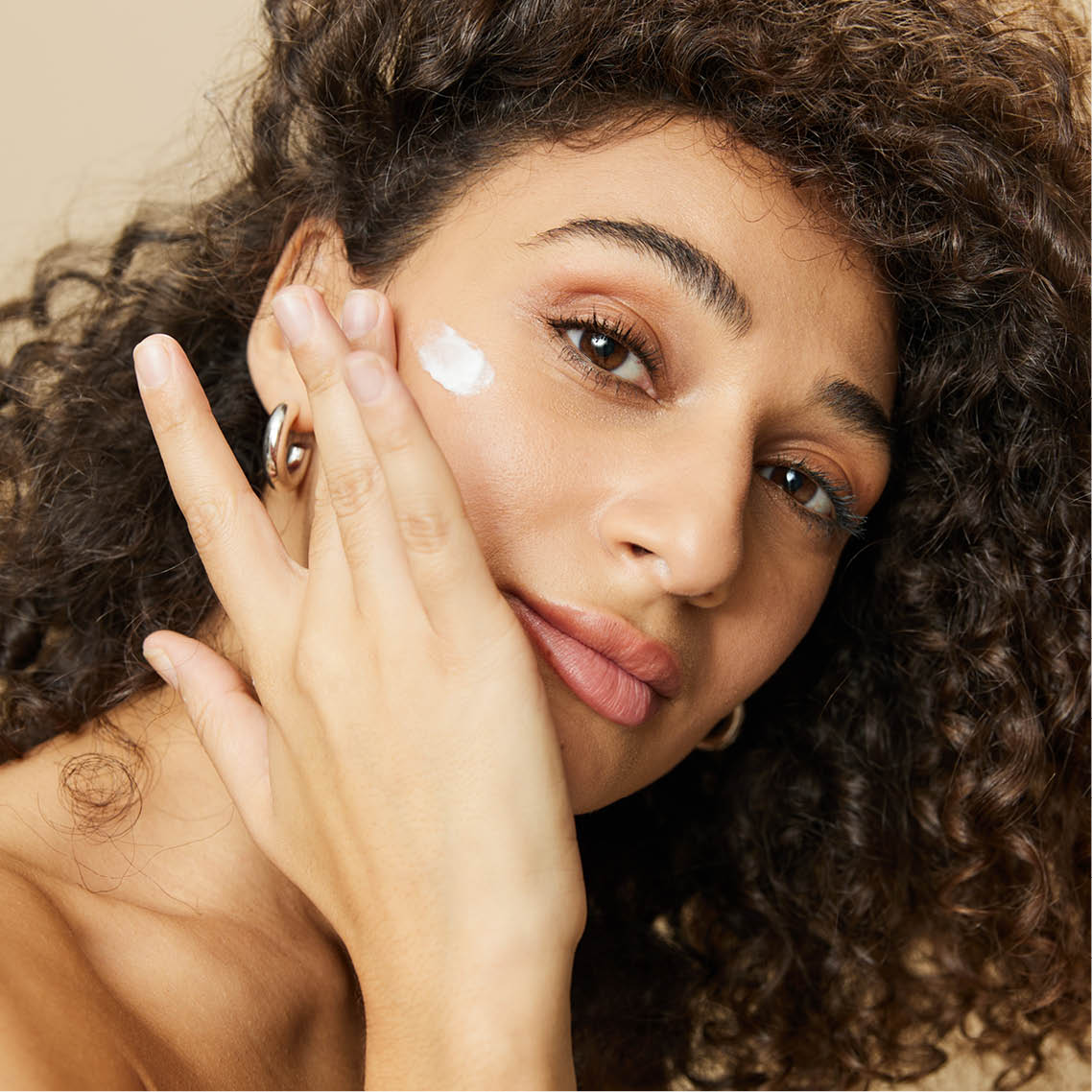
Turmeric inhibits the production of melanin, the pigment responsible for brown spots and other types of hyperpigmentation. Thanks to turmeric’s anti-inflammatory and antibacterial effects, turmeric extract in cosmetics can help alleviate skin disorders and infections, reducing redness and soothing itchy sensations.
Nutrition
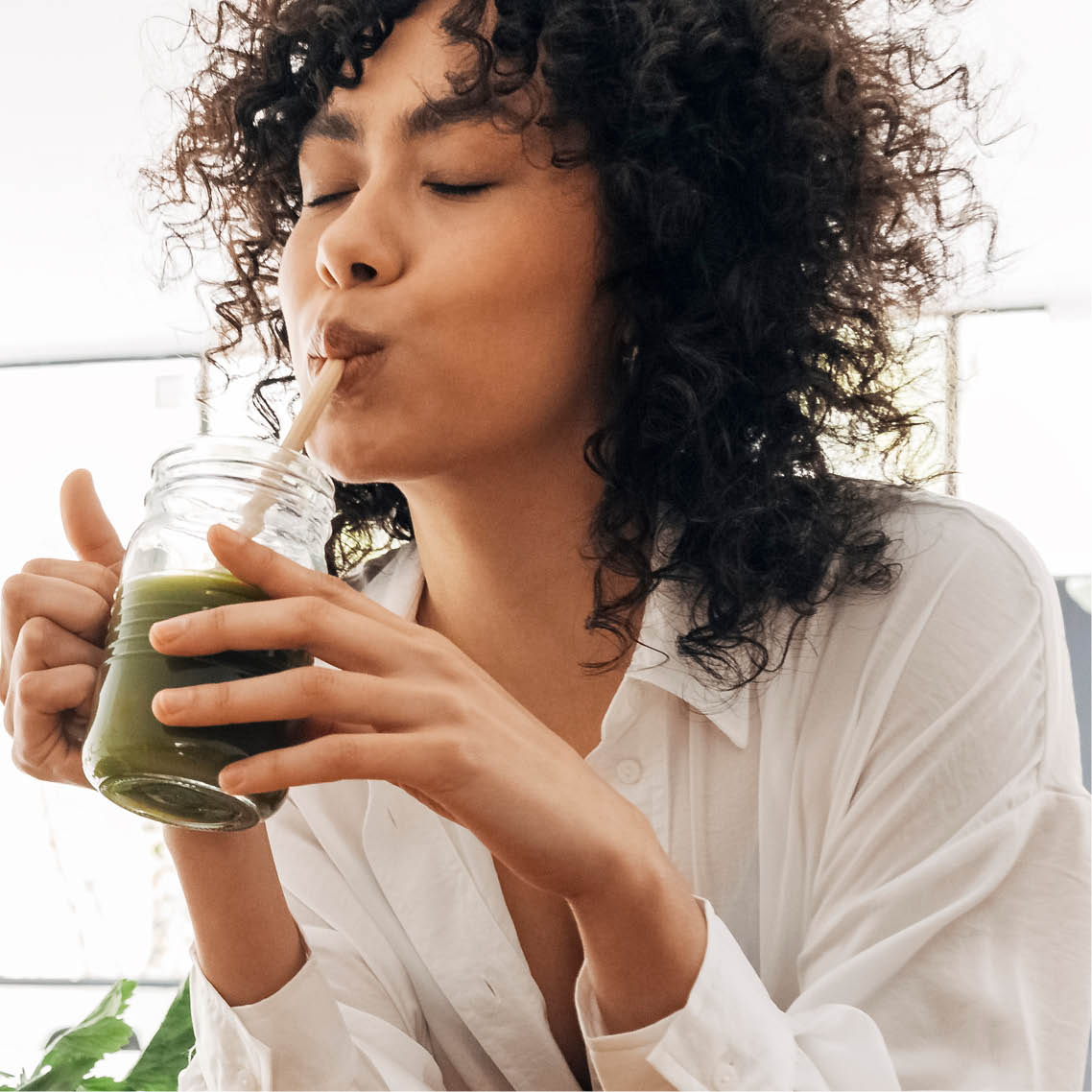
Its pronounced, slightly musky, peppery and pungent flavor makes it a popular spice for spicing up all types of dishes and recipes, both savory and sweet. It flavors herbal teas and provides numerous benefits.
Herbalism
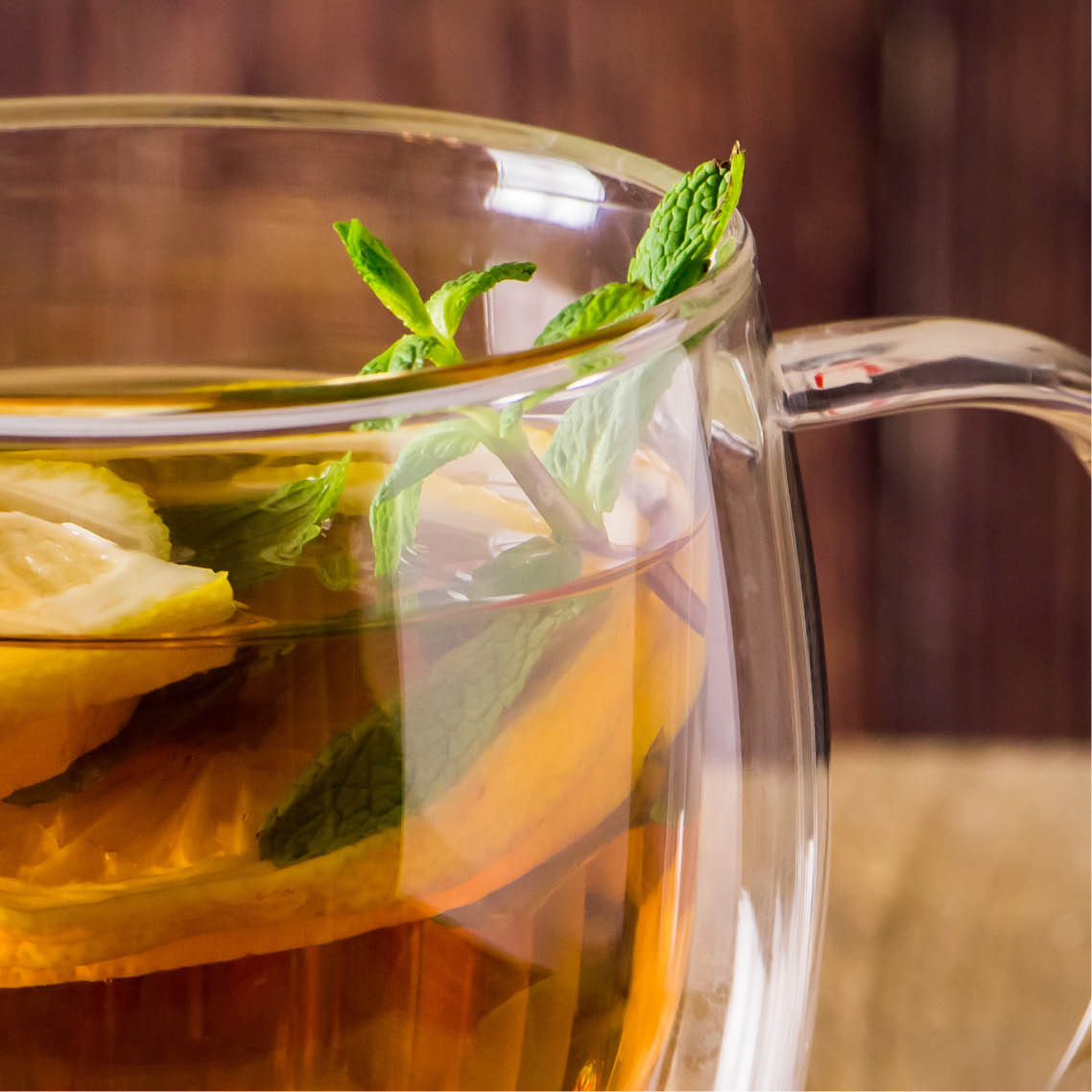
These compounds are recognized for their strong antiseptic, anti-inflammatory, anti-coagulant and hepatoprotective action. This golden spice is said to protect our cells from inflammation and damage, slow the aging process, alleviate arthritis symptoms and even reduce the spread of cancer cells.
Discover our Turmeric products
Clear Filters

-10% New
Original price was: 13,00 €.11,70 €Current price is: 11,70 €.


-10% New
Price range: 7,20 € through 13,50 €

