Botanical description
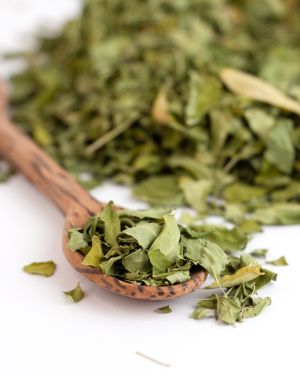
Moringa is a tropical tree that can reach heights of up to 12 meters. Its feathery, bright-green leaves are the most commonly used part of the plant for their health-giving properties. Its white flowers grow in pleasant-smelling clusters, followed by long brown capsules containing large black winged seeds.
Latin name
Moringa oleifera
Common names
French: Moringa, Arbre de vie, Benzolive, Ben ailé, Néverdier
English: Moringa, Drumstick tree, Horseradish tree
Portuguese: Quiabo-de-quina, Acácia-branca
Spanish: Árbol de rábano picante
Traditional uses
Moringa has traditional uses in all tropical zones, from the West Indies to South-East Asia, Africa and India. An infusion or decoction of the flowers is traditionally used to treat coughs, or for its stimulating and aphrodisiac properties. The tree’s roots and bark are reputed to relieve pain, reduce inflammation, lower fever and help menstruation. Oil from the seeds is used to soothe burns.
Vitamins, nutrients & minerals
Vitamins A, C, E and K
Polyphenols (phenolic acids, flavonoids), Terpenes, Alkaloids, Carotenoids
Minerals: Calcium, Magnesium, Potassium, Phosphorus

Cosmetics
In cosmetics, moringa powder is used to make masks for the skin or hair, stimulating growth. Its oil is renowned for its nourishing and repairing properties.
Nutrition
In nutrition, moringa is a superfood that contributes to energy metabolism and regulates blood sugar levels. Its antioxidant properties also make it a neuroprotective agent.
Herbalism
In herbal medicine, moringa is an anti-inflammatory that boosts the immune system’s response. It also regulates digestive transit and the circulatory system.