

Botanical description
Ginger is a perennial plant with long, linear, alternate leaves, smooth margins and pointed apices. It is known for its large, swollen, tuberous rhizomes. Its inflorescences, in dense terminal spikes, are borne on a peduncle emerging directly from the rhizome; the flowers are whitish, surrounded by large green bracts with pointed tips. The plant produces fleshy, three-valved fruit capsules.
Latin name
Zingiber officinale
Common names
Creole: ginger [jenjanm]
Palikur: isuu
Portuguese: gengibre, mangarataia
English: ginger
Spanish: jengibre
Traditional uses
In French Guiana, among the Palikur people, ginger rhizome is prepared as an herbal tea and consumed to relieve sore throats and as an aphrodisiac. They also use the crushed rhizome as a poultice, a refreshing remedy for headaches and rheumatism. The Aluku use it against colds, flu and abdominal pain.
Among the Hmong, ginger is a significant remedy for sore throats: the rhizome is crushed and rubbed into the throat, chest and back, and the herbal tea (rhizome boiled in water) is also drunk.
In the West Indies, the rhizome is used as an oral decoction for colds, flu, coughs, asthma, asthma, etc.
fever, stomach ache, flatulence, indigestion and vomiting.
In India, and more widely in Asia, ginger, in its dried or fresh state, has been used for many years in traditional Chinese and Ayurvedic medicine for its numerous benefits, as well as in the food industry. The decoction prepared from the rhizome is widely used to treat flu, coughs, asthma and diabetes, and to relieve muscular pain, digestive disorders, nausea and vomiting.
The rhizome of the ginger plant is traditionally used as a spice with a pungent taste, either in powdered form or fresh, after removal of the skin. It is also consumed as a tonic drink.
Vitamins, nutrients & minerals
Essential oil: zingiberene Polyphenols including gingerol and catechin, Minerals: manganese, phosphorus, magnesium as well as calcium, sodium and iron. Vitamins: B3, B1 and B2 in smaller quantities.


Cosmetics
One of its main benefits in cosmetics is its anti-inflammatory effect, helping to reduce the appearance of acne, eczema and other inflammatory skin conditions. Ginger can also help soothe irritated skin and reduce redness.
Nutrition
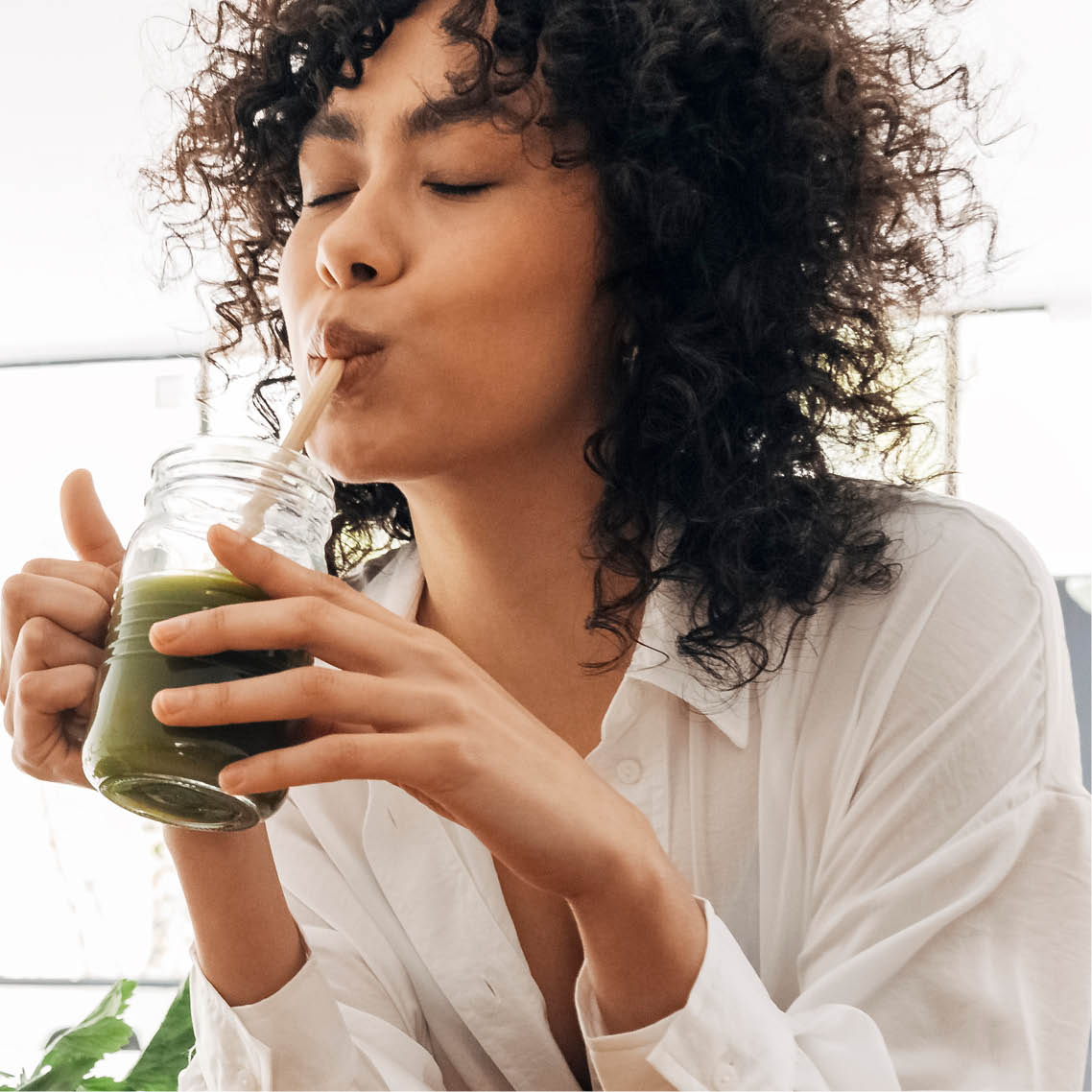
In nutrition, it is rich in antioxidant compounds that can help reduce inflammation, aid digestion and strengthen the immune system.
Herbalism
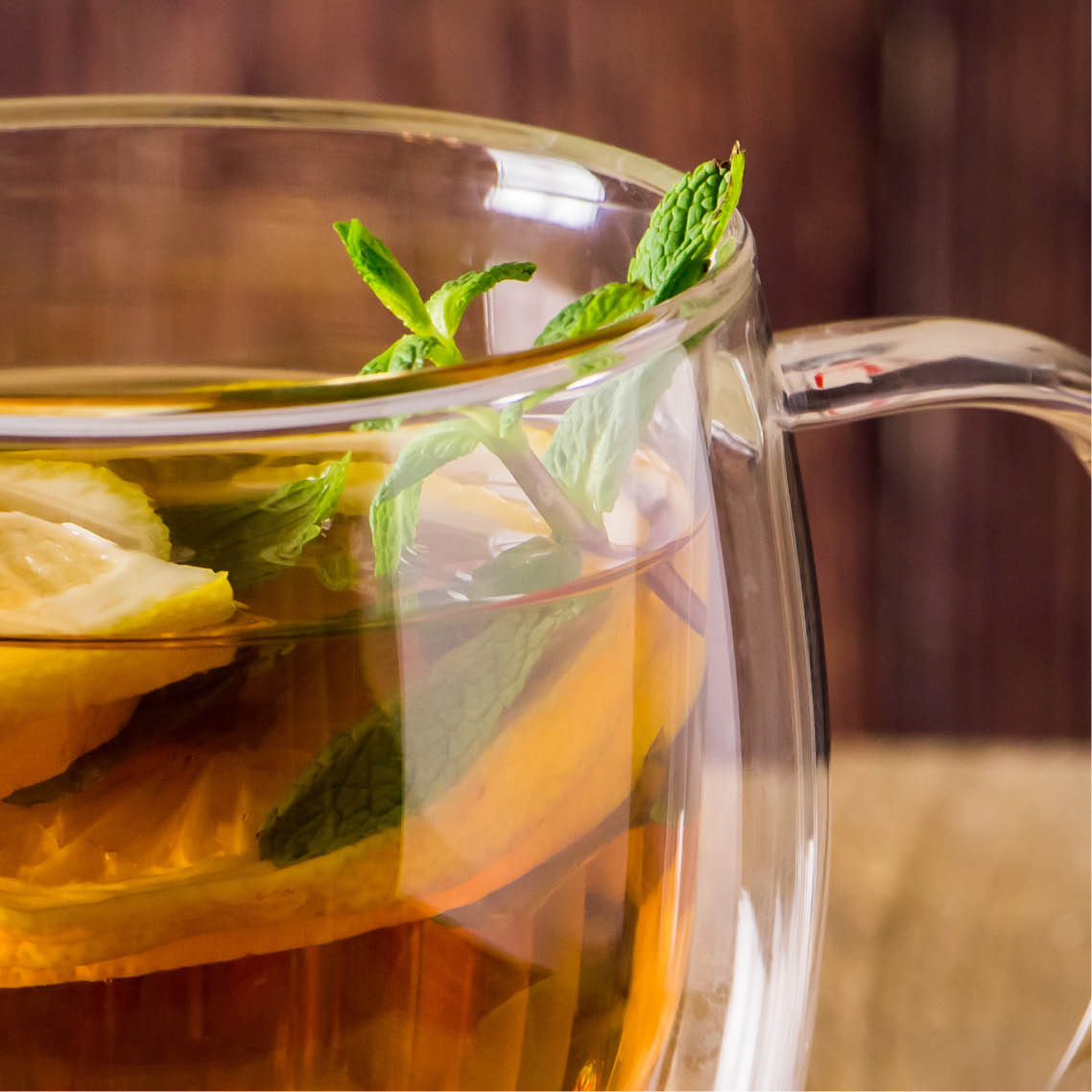
In herbalism, it is recognized for its soothing effects on stomach aches, nausea and vomiting, making it a versatile ingredient in various natural preparations aimed at improving well-being. It can be used to combat infections, fatigue and muscular pain. Ginger also has aphrodisiac, antioxidant and antibacterial properties.
Discover our ginger-based products
Clear Filters


New
Price range: 7,50 € through 15,99 €

13,00 €

